
Local fit • Regular and emergency care

Find pet insurance that works with your local care

Your regular clinic and your emergency hospital may handle the same insurer differently. Test both before calling an option the best local fit.

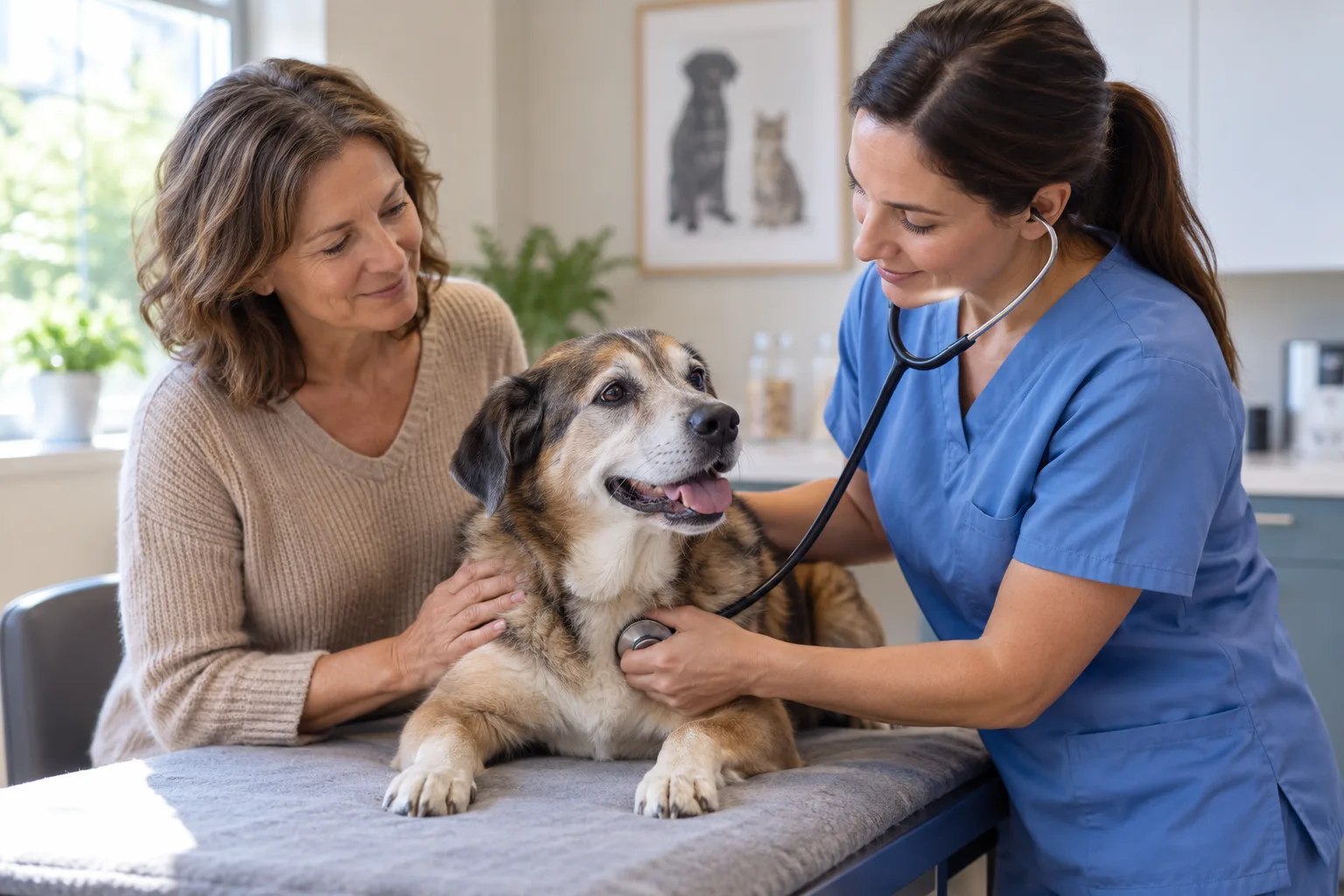
Owner talking with a veterinarian while a small dog is examined
✓ Policy-first ✓ Independent ✓ Useful checks
Direct answer
The best pet insurance near you is an eligible policy that fits your pet and works with the veterinary payment arrangements you can actually use. A nearby sales office does not establish better benefits. Start with your regular and emergency practices, check the same shortlisted policies at both, and use the confirmed limitations to make a conditional choice.
What to know

Set the local requirements before comparing brands

Write down the practices you would use for routine care, an urgent out-of-hours problem and any already recommended referral. Ask each about current access and payment arrangements. This guide has no location from you and does not identify a nearest clinic, insurer branch or participating hospital.

Choose the requirement that could actually rule an offer out. If you cannot advance a large bill, direct payment at the emergency hospital may be crucial. If you can advance it, a reimbursement product may still be practical. If a recurring specialist consultation matters, the exam-fee provision deserves explicit attention.

Policy eligibility still comes first. Confirm residence, species, age and the state-specific product. A clinic’s experience with another patient does not decide whether the same provider accepts your pet or covers a particular condition.

What to know

Use the same questions at two practices

Ask both the regular clinic and the emergency hospital Why a different answer matters
Can an insured owner use your itemized invoice for reimbursement? This is different from the hospital taking insurer payment at checkout.
Do you use the exact insurer’s direct-payment system, if relevant? Participation at one branch or practice should not be assumed at the other.
What deposit and remaining payment are due? A small regular visit and an emergency admission can have different cash requirements.
What if the insurer needs records or cannot decide immediately? You need a fallback amount, not just the name of a payment system.
How are referral records and final invoices supplied? Missing documents can delay the insurance review even after care is complete.

Save the staff response with the practice location and recheck before a planned procedure. Ask the insurer separately about provider qualifications and treatment territory. Neither side’s informal “we accept it” should silently answer all five questions.

What to know

Two current routes lead to different local checks

Trupanion is worth investigating when checkout payment is important and the actual hospitals use its direct-payment system. Its general core still excludes exam fees and routine care; ask about the precise state/product form. Software availability and claim eligibility can prevent a particular visit from being paid directly.

Confirm current state and pet eligibility, and whether a separately selected examination-fee benefit meets your needs. A fast app experience should not be treated as a promise that funds will arrive before the hospital needs payment.

These are conditional candidates, not a tested ranking of service quality or local premiums. No personal quotes or hospital participation checks were collected for this guide. An insurer can fit one household’s access and cash constraints while failing another’s.

Decision guide

Let the emergency answer change the shortlist

Imagine a fictional owner whose regular clinic can use a direct-payment portal but whose chosen emergency hospital cannot. If avoiding a full advance is a non-negotiable requirement, the regular clinic’s participation has not solved that owner’s main problem. The next step is to establish a realistic emergency funding route, not to award the insurer a “cashless everywhere” score.

For a different owner who can fund the advance, the same policy may remain a candidate. The decision can then turn on eligible benefits, deductible design and total premium. These are different household constraints, not proof that either owner has found a universal winner.

If two surviving offers both meet the care route, compare their final state-specific terms and cost on matched settings. Use the state insurance regulator to verify the issuer or seller. A license confirms a regulatory fact; it does not certify that the arrangement meets your payment-day requirement.

What to know

Know what is still missing before you buy

A usable local recommendation has four pieces: an offered policy for the correct pet and residence, an understood exam and treatment benefit, a confirmed process at the practices you use, and funds for the amount you must pay. Mark any missing piece as unconfirmed.

Do not change a medically appropriate hospital merely to satisfy a comparison badge. Discuss care options with the veterinarian and ask insurance questions separately. If you were searching because a pet is already ill, obtain veterinary care and ask about current payment assistance; a new policy is not a reliable way to fund an existing problem.

Evidence

Sources and policy context

These public references support the consumer or veterinary context. Named insurer details were checked in official product materials; the policy offered for your pet and state determines the actual terms.

Next step

Compare Current Pet Insurance Rates

Check current options for your pet and location, then compare the policy details, exclusions, costs, and eligibility before choosing.

Compare the policy before you choose Check the actual offer, exclusions and out-of-pocket terms.
See Rate Options